

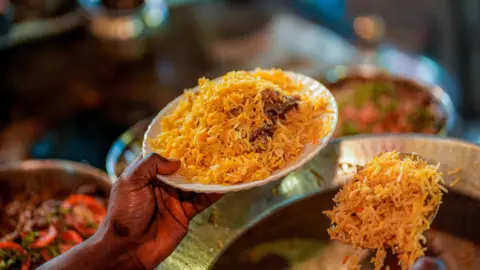
Mouth-watering kebabs, scented biryani, and whipped, cloud-like desserts.
The metropolis in India's north of Lucknow has forever been a haven for gastronomes, with inhabitants and travelers equally celebrating its superb cuisine.
An International Accolade
Last month, The United Nations Educational, Scientific and Cultural Organization designated it as a City of Gastronomy within its Creative Cities Network – including it in a select group of global cities and kindling hopes that it will spotlight Lucknow's sublime food. With this status, it becomes part of a global network of over 400 metropolises across more than 100 countries committed to promoting "creativity as a driver of sustainable urban development".
The accolade "stands as proof of its profound food heritage and dynamic food ecosystem," according to a official from UNESCO's regional bureau for South Asia.
Lucknow is merely the second Indian city – following Hyderabad, which was chosen in 2019 – to earn a spot in this coveted list of 70 cities around the world.
An Urban Center with a Culinary Soul
The recognition for this venerable city arrives as little surprise to its inhabitants or passionate food lovers. Many share the view that it is "a recognition that was delayed".
With the UNESCO recognition, this cherished, lively, and eclectic city – the administrative center of India's most populous state – is at last in the limelight for what has perennially characterized its soul: an immense devotion for food.
"'The day's menu, how should it be prepared' is a continued dialogue from morning until night in most homes," notes a local cultural expert. "And you are truly judged by the excellence of food that is produced in your kitchen."
A Heritage of Nawabi Cuisine
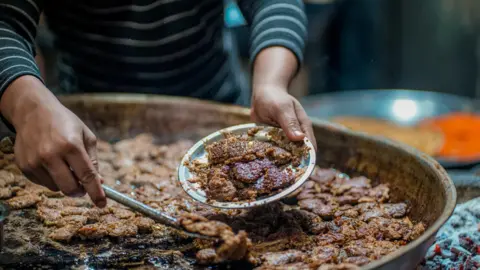
The Nawabi City – as it's often referred to after its 18th and 19th Century affluent Muslim rulers – is famed for its succulent kebabs and a singular take on biryani that were created, perfected, and raised to exquisite levels in their imperial kitchens.
These kitchens of the nobility were epicenters of gastronomic creativity, blending Iranian and local Indian styles to create what became known as the culinary tradition of Awadh.
It was in this era that Lucknow's iconic kebabs were developed. The story goes that the mutton galouti was created to feed an elderly nawab who had lost his teeth. His chefs minced the meat with papaya, saffron, and a blend of spices and made it so silky that it needed no chewing.
But perhaps the biggest contribution of the chefs of Awadh was the slow-cooking Dum pukht technique, where food is prepared on a gentle, slow heat, with the pot's lid securely closed with dough.
Beyond Kebabs and Biryani
Apart from the obvious kebabs and biryani, the cooks also created a collection of dishes that included kormas (rich curries), sheermal (saffron-infused flatbread), and shahi tukda (a decadent bread pudding).
However, Lucknow is not just about kebabs and biryani – the region is additionally a haven for vegetarians.
The local traditionally vegetarian community's cuisine not only celebrates seasonal produce but also gives the city its highly curated Indian desserts, sweets, and unique street food, like chaat – zesty fried snacks.
Iconic Stalls and Historic Shops
Nearly on every corner, there are little shops and kiosks – lesser-known delights that are immensely popular with the locals.
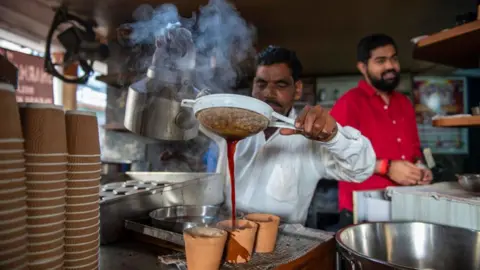
In the city center of Hazratganj, throngs of people start assembling from the crack of dawn at a renowned tea stall to get a piping hot cup of milky masala chai, presented in clay glasses, along with incredibly soft buns covered in hand-churned white butter.
For breakfast, one can visit a unpretentious joint located in the historic quarter of Aminabad. Nearly 150 years after it was founded, the place is still highly popular for its hot kachoris (fried bread stuffed with lentils) and jalebis (crispy, syrup-soaked sweets).
Ensuring Legacy Continues
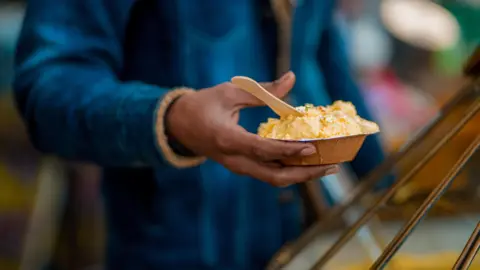
The city also offers special seasonal delights, such as makkhan malai, a airy dessert savored in the winter. The process of making it is precise and demanding. The cook beats the milk and then sets it out at night, allowing the dew to give it its amazing frothy texture.
On crisp mornings, street vendors can be seen in historic neighborhoods like Aminabad and Chowk. Some however say that their younger generation are unwilling to master the craft.
A celebrity chef from Lucknow has often said that the city's profound food legacy positions it at the very pinnacle of the Indian street food experience. The true benefit from the UNESCO recognition, it is believed, will materialize only if Lucknow can now build recognition about its lesser-known eateries.
Every dish in Lucknow tells a story – crafted by family-run food businesses, from modest street carts to busy restaurants, and closely held family recipes.
The global recognition, it is anticipated, will encourage more people around the world to learn these stories and experience the city to savour the food wonders of Lucknow.